What’s the Best Gym Flooring Thickness for Home and Commercial Gyms in Miami? Find Out Here!
When it comes to designing a gym, flooring is more than just a finishing touch—it’s a critical component that directly affects safety, performance, and longevity. Research indicates that over 8 million recreation-related injuries occur annually in the United States, with approximately 28 percent attributed to falls, many of which could be prevented with proper flooring selection. The right gym flooring thickness can protect your equipment from damage, reduce the risk of injury, and provide the comfort and stability needed for every type of workout, from weightlifting and CrossFit to yoga and aerobics.
In Miami, choosing the proper flooring takes on additional importance. The city’s high humidity and occasional moisture exposure can impact durability, traction, and overall performance, making it essential to select materials and thicknesses that can withstand Florida’s coastal climate.
For over 28 years, Specialized Fitness Resources has been helping Miami-area gyms, condominium fitness centers, hotels, schools, and universities design and install flooring solutions that balance performance, durability, and safety. Whether you’re planning a compact home gym or a high-traffic commercial fitness facility, understanding the role of flooring thickness is the first step toward creating a functional and long-lasting workout space.
Also Read: Foam vs Rubber: Which Flooring is Best for Your Home Gym in Miami?
Why Flooring Thickness Matters
Choosing the right gym flooring thickness is crucial for safety, performance, and durability. The proper thickness ensures that your workout space supports both your exercises and your equipment, whether in a home gym or a high-traffic commercial facility. Here are the key reasons why flooring thickness makes a difference:
- Shock Absorption: Thick flooring cushions high-impact movements, reducing strain on joints during exercises such as weightlifting, plyometrics, or aerobics.
- Injury Prevention: Adequate thickness minimizes the risk of slips, falls, and other injuries by providing a stable, forgiving surface.
- Equipment Protection: Flooring thickness protects weights, machines, and other equipment from damage caused by repeated drops or heavy use.
- Noise Reduction: Thicker rubber or specialized flooring absorbs sound, helping maintain a quieter workout environment—especially important in condos, hotels, or multi-use facilities.
- Durability and Longevity: A thicker surface can withstand heavy traffic and prolonged use, maintaining its performance and appearance over time.
- Versatility for Different Workouts: The right thickness supports a variety of training styles—from functional training and CrossFit to yoga, dance, and pilates—without compromising stability or comfort.
- Adaptation to Environmental Conditions: In humid or coastal climates like Miami, thicker flooring provides additional resilience against moisture, wear, and environmental stress, ensuring your gym stays safe and functional.
Choosing the correct flooring thickness is more than a design choice—it’s an investment in safety, performance, and long-term value for your gym.
Also Read: Can You Install Rubber Gym Flooring Over Carpet? Expert Tips and Complete Guide
Recommended Thickness for Home Gym Floors
When setting up a home gym, it’s important to consider the types of exercises you plan to do and the equipment you’ll use. Different workouts and equipment levels require varying flooring thickness to provide proper support, protection, and comfort.
For general purposes, an 8mm thickness is commonly regarded as a standard for home gym flooring, suitable for a variety of workouts. However, your specific needs may call for thicker flooring to accommodate heavier equipment or higher-impact activities. Below are more detailed recommendations based on equipment type and workout intensity.
Light to Moderate Equipment
For lighter gym equipment, such as treadmills, stationary bikes, or small free weights, a flooring thickness of ¾” to 1” rubber tiles or mats is recommended. This thickness provides:
- Adequate cushioning to reduce noise from dropped weights.
- Excellent shock absorption to protect the subfloor from potential damage.
- A comfortable and stable surface for aerobic exercises, yoga, or pilates.
Heavy Exercise Equipment
If your home gym includes heavy equipment—such as squat racks, bench presses, or Olympic lifting setups—you should consider flooring 1.5” to 2” thick. This greater thickness ensures:
- Optimal shock absorption for dropped weights.
- Protection for both your equipment and the underlying floor.
- Durability to withstand intense workouts and frequent heavy lifting.
Choosing the right flooring thickness for your home gym not only enhances comfort and performance but also ensures long-term protection for both your equipment and your space.
Recommended Thickness for Commercial Gym Flooring
Commercial gyms in Florida face unique environmental challenges, including high humidity, moisture exposure, and coastal salt air. Selecting the correct flooring thickness and material is essential for safety, durability, and performance. Here’s a guide tailored to the Florida climate:
Weightlifting and Free Weight Areas
- Recommended Thickness: 38–50 mm (1.5″–2″)
- Heavy weights and repeated drops require maximum shock absorption. Thicker rubber flooring protects both the subfloor and equipment while maintaining durability in humid environments. UV- and moisture-resistant materials are ideal for gyms with large windows or direct sunlight exposure.
Cardio Zones (Treadmills, Bikes, Ellipticals)
- Recommended Thickness: 25 mm (1″)
- Provides stability and moderate shock absorption while protecting the subfloor from the repetitive impact of cardio machines. In Florida, 25 mm rubber is ideal because it balances comfort with moisture and heat resistance.
CrossFit and Functional Training Areas
- Recommended Thickness: 38–50 mm (1.5″–2″)
- High-intensity workouts, sled pushes, and heavy lifts require thick, resilient flooring to absorb impact. Choosing moisture-resistant rubber ensures long-term performance despite Florida’s humidity and occasional wet conditions.
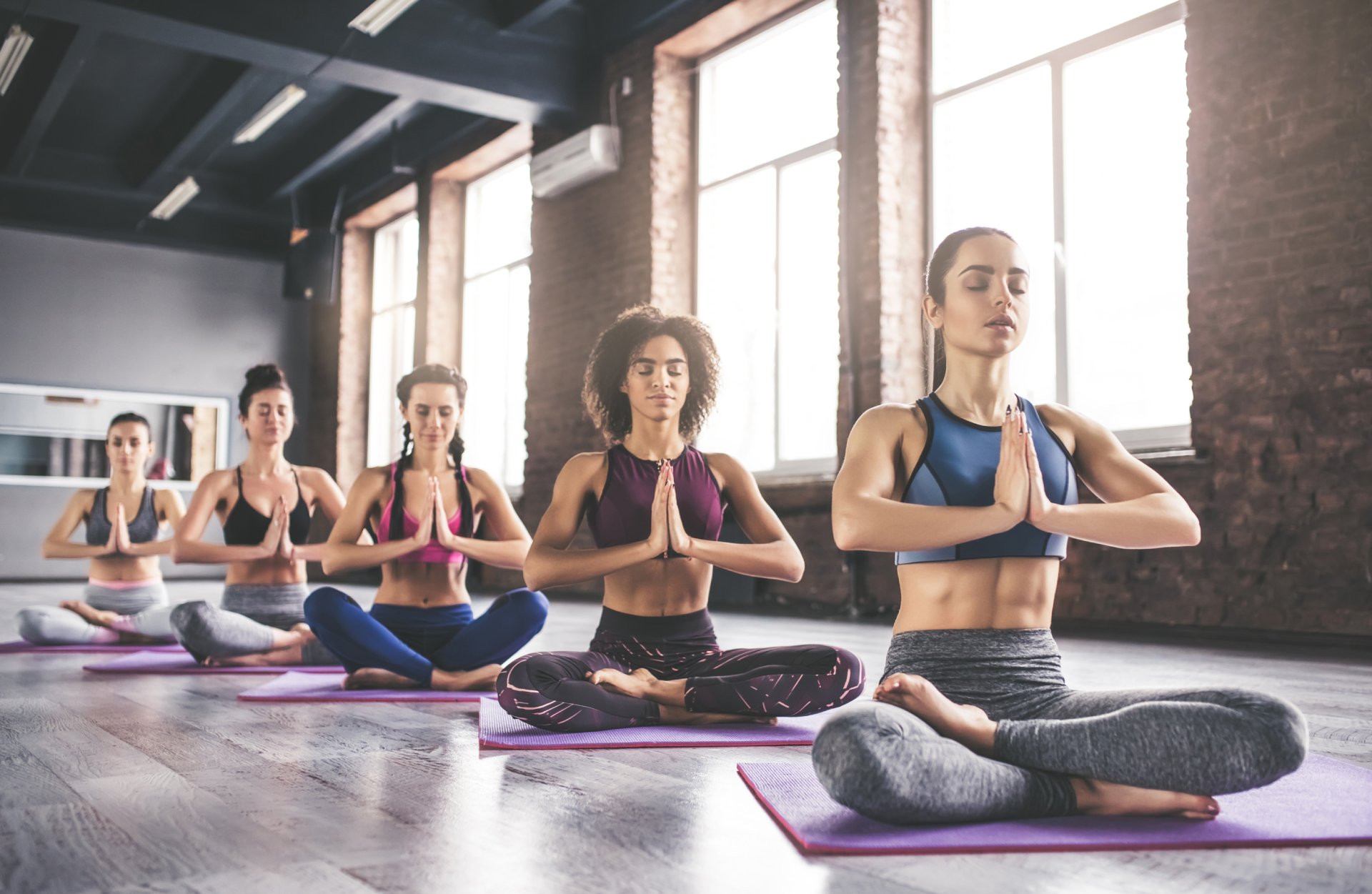
Aerobics, Yoga, and Pilates Zones
- Recommended Thickness: 12–19 mm (½”–¾”)
- Low-impact activities need cushioning for comfort without sacrificing stability. Rubber flooring in this range resists moisture buildup, preventing mold or mildew in humid climates.
Childcare or Multipurpose Areas
- Recommended Thickness: 19–25 mm (¾”–1″)
- Provides safety and durability for light activities and play. Moisture- and slip-resistant rubber is especially important in Florida’s humid conditions to ensure a safe environment for children.
Walkways and High-Traffic Common Areas
- Recommended Thickness: 25–38 mm (1″–1.5″)
- High-traffic zones must withstand constant foot traffic while maintaining safety and comfort. Thicker rubber flooring helps prevent premature wear and provides extra durability against Florida’s humid environment.
Also Read: Rubber Gym Flooring Tiles vs. Rolls: Which Option is Best for Your Miami Facility?
Material Considerations for Gym Flooring
Choosing the right gym flooring material is just as important as selecting the proper thickness. Each material carries distinct advantages in durability, moisture resistance, and shock absorption, which directly affect performance, safety, and long-term maintenance. In Miami and other humid coastal regions of Florida, it is especially important to select materials that can withstand moisture, prevent mold growth, and maintain stability despite fluctuations in temperature and humidity.
Below is an overview of the most common materials used in commercial and home gyms, along with their key strengths and practical limitations.
Rubber Gym Flooring
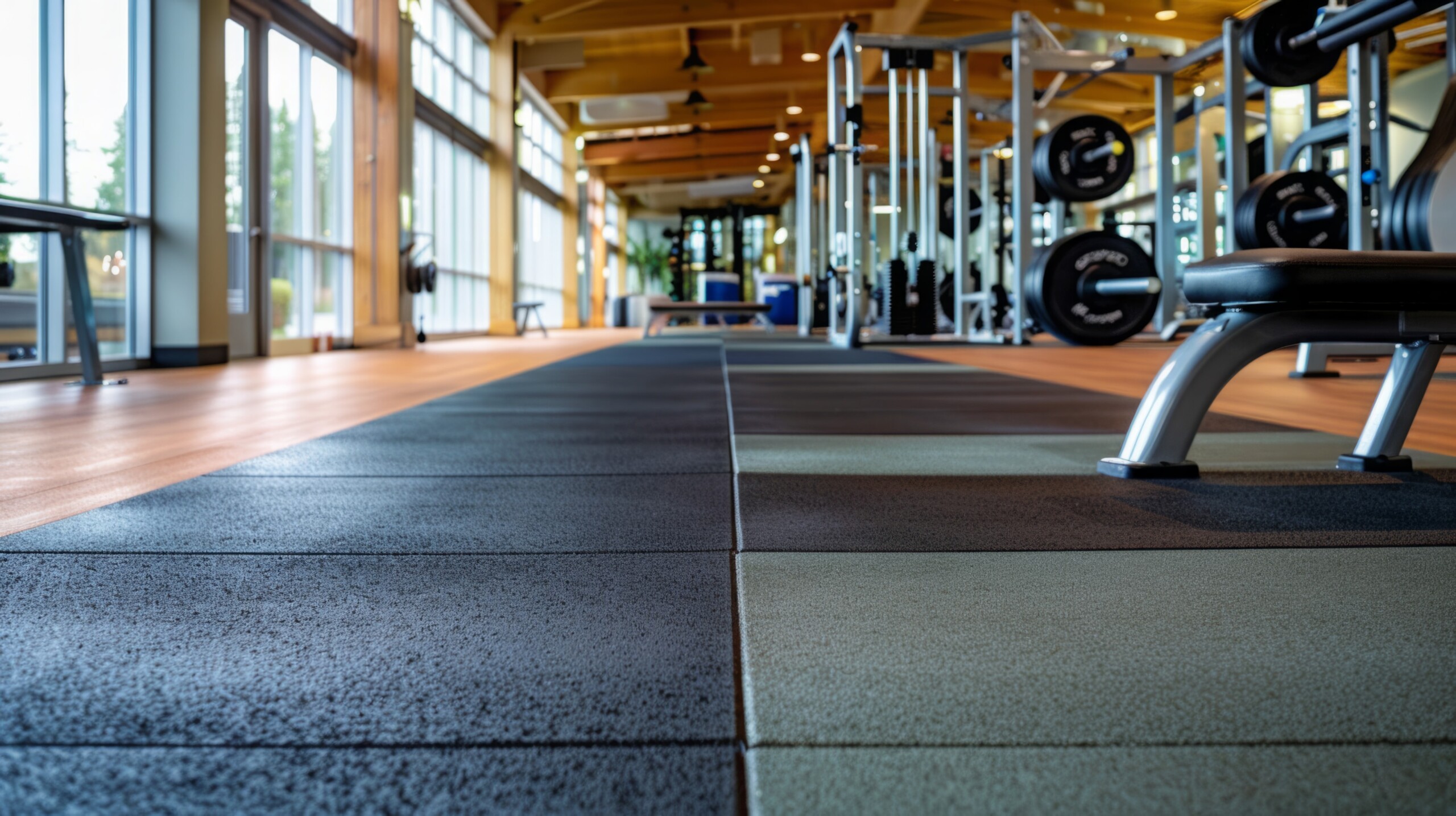
Rubber flooring remains one of the most reliable options for both commercial and residential gyms. It offers a strong combination of durability, shock absorption, slip resistance, and moisture tolerance. These qualities make it suitable for high-impact workouts, free-weight areas, plyometrics, and general fitness activities.
Rubber flooring rolls, tiles, and interlocking mats deliver consistent performance even under heavy use. Its ability to resist moisture accumulation helps limit mold growth and reduces slipping hazards, which is particularly important in Florida’s humid climate. Rubber’s long service life and low maintenance needs make it a dependable foundation for most gym environments.
Foam Mats
Foam mats work well in areas dedicated to low-impact or floor-focused activities such as yoga, stretching, Pilates, or bodyweight routines. Their softness provides notable cushioning, creating a comfortable and supportive surface for exercises that require a gentler feel underfoot.
However, foam gym mats are not designed to withstand heavy equipment or repeated high-impact movements. It can compress over time, lose stability, and transfer pressure to the subfloor, which may lead to damage in high-traffic or weight-intensive zones. For this reason, foam is best reserved for designated wellness or mobility areas rather than full gym installations.
Artificial Turf
Artificial turf has become a favored surface for functional training spaces. Its firm yet cushioned structure supports dynamic movements such as sled pushes, agility drills, and high-intensity interval work. Turf helps absorb impact, improves traction, and promotes natural movement patterns, making it an excellent fit for functional fitness, sports performance, and group training zones.
In commercial settings, turf is often installed over concrete or performance padding to improve shock absorption and protect users from joint strain. When properly maintained, it offers durability and consistent performance, even in facilities with substantial foot traffic.
Miami-Specific Flooring Considerations
Miami’s climate presents distinct challenges that must be addressed when selecting gym flooring. Consistently high humidity, frequent moisture exposure, and coastal air can cause unsuitable materials to expand, contract, or deteriorate over time. Choosing flooring that resists moisture, mold, and structural distortion is essential for maintaining a safe and functional training environment.
Moisture Resistance
Moisture resistance is a priority in Miami, where humidity levels remain elevated year-round. Materials that absorb water or become slippery can create unsafe conditions for users. Foam flooring, for example, tends to retain moisture and become vulnerable to mold, bacterial growth, and surface instability.
Selecting materials such as moisture toleants and rubber flooring options helps preserve the structural integrity of the space. These materials maintain grip even when exposed to humidity, reduce the likelihood of warping, and provide a safer surface for both high-impact and general fitness activities.
Durability in Coastal Conditions
Facilities near the coast must account for the long-term effects of salty air and fluctuating moisture levels. These conditions can accelerate wear in lower–quality flooring materials. Rubber flooring tiles, mats, and rolls perform particularly well in Miami’s coastal environment thanks to their resilience, non-corrosive properties, and ability to endure repeated exposure to heat and humidity.
Durable, coastal-ready materials help ensure that the flooring remains stable, safe, and visually appealing over time, supporting consistent use in both commercial and residential gym settings.
Also Read: Converting Your Miami Garage into a Professional Home Gym: The Complete Rubber Flooring Guide
Tips for Choosing the Right Flooring Thickness
Selecting the right flooring thickness is a critical step in creating a safe and effective gym environment. Proper thickness enhances shock absorption, reduces the likelihood of injuries, and minimizes noise and vibration for a more comfortable workout experience.
Seeking professional advice ensures your flooring choices meet safety, durability, and performance standards. The following tips will help you assess gym usage, identify high-impact zones, and plan for long-term value.
Assess Your Gym Usage
Consider the types of workout equipment and activities in your space. A home gym with light cardio equipment requires less thickness than a commercial facility with heavy lifting areas. Evaluate the weight of your equipment and frequency of use to determine the most suitable flooring thickness for both safety and performance.
Identify High-Impact Zones
Areas where heavy weights are dropped or high-intensity activities are performed need thicker flooring to provide adequate shock absorption and protect the subfloor. Zones dedicated to lighter activities like yoga or stretching can use thinner options. Properly identifying these zones ensures each area has the right level of protection and comfort.
Plan for Long-Term Value
Thicker flooring options often provide greater durability, which can lower long-term maintenance and replacement expenses. Resilient materials that withstand heavy equipment and frequent use will minimize the need for repairs or replacements, ensuring your gym remains safe and functional for years while saving costs over time.
Work with Florida Flooring Experts
Partner with professionals who understand Florida’s unique climate challenges. Experienced installers can recommend moisture-resistant materials, proper thickness for your specific activities, and installation techniques that prevent mold, warping, and premature wear in humid conditions.
Also Read: Comparing Horse Stall Mats and Gym Floor Mats: Which Flooring Option Best Suits Your Needs?
Ready to Build a Safer, Smarter Gym in Miami?
Don’t let the wrong flooring choice compromise your gym’s safety, performance, or longevity. Whether you’re outfitting a home workout space, upgrading a commercial facility, or designing a fitness center that can withstand South Florida’s demanding climate, Specialized Fitness Resources is here to help.
With over 28 years of experience serving Miami-area gyms, hotels, schools, universities, and condominiums, we understand exactly what it takes to create flooring solutions that perform in Florida’s heat and humidity. From selecting the perfect thickness to installing moisture-resistant materials built to last, we handle every detail so you don’t have to.
Here’s what sets us apart:
- Expert Guidance – Customized recommendations based on your specific workout activities and space requirements
- Quality Materials – Premium rubber flooring, artificial turf, and eco-friendly recycled rubber options designed for durability
- Professional Installation – Precise, efficient service that gets your gym up and running quickly
- Climate-Smart Solutions – Flooring specifically chosen to resist Miami’s humidity, moisture, and coastal conditions
- Fast Turnaround – Quick quotes, samples, and project timelines to keep your plans on track
Stop guessing about gym flooring thickness and start building with confidence. Contact Specialized Fitness Resources now at 305-752-0451 for a free consultation, and let our team help you design a workout space that’s safe, durable, and built to perform for decades.
Frequently Asked Questions
What are the key characteristics to look for in CrossFit flooring?
The best CrossFit flooring should offer excellent shock absorption for heavy lifts and high-impact movements, durability to withstand repeated weight drops and foot traffic, and sound insulation to reduce noise. Modularity matters too — tiles are easy to replace, rolls provide seamless coverage, and mats protect specific zones. Finally, ensure good moisture resistance and traction for safety, especially in humid or damp environments.
Is rubber flooring safe for children and pets?
Yes, rubber flooring is a safe and practical choice for both children and pets. Its slip-resistant surface reduces the risk of falls, while its cushioning absorbs impact, protecting joints and delicate feet. Rubber is also non-toxic, hypoallergenic, and free from harmful chemicals, making it ideal for home gyms, play areas, and family-friendly environments.
Can rubber flooring be used outdoors?
Rubber flooring can be used outdoors, but it is important to select products specifically designed for exterior use. Outdoor-grade rubber is UV-resistant, weatherproof, and capable of withstanding temperature fluctuations and moisture exposure. Standard indoor rubber may degrade when exposed to direct sunlight, rain, or extreme temperatures.
How long does rubber flooring last?
With proper care and maintenance, rubber flooring can last 10 to 20 years or more. Its durability depends on factors such as thickness, type of use, and the intensity of foot traffic or equipment load. Commercial-grade rubber flooring in high-impact areas may have a slightly shorter lifespan but still offers excellent longevity compared to other flooring options.
What colors and styles are available in rubber flooring?
Rubber flooring comes in a wide variety of colors, patterns, and styles to suit different aesthetics and functional needs. Options include solid colors, flecked or speckled designs, interlocking tiles, rolls, and custom logos. This variety allows gyms, fitness studios, and residential spaces to match their design vision while maintaining performance, durability, and safety.
Is rubber flooring worth the investment for a home gym?
Yes — in many cases, rubber flooring is very much worth the investment, especially for home gyms:
- It protects your subfloor (e.g., concrete or wood) from damage caused by dropped weights and machine vibrations.
- Provides excellent shock absorption, which improves safety and protects joints.
- Helps reduce noise — rubber isolates sound more effectively than many hard surfaces.
- Long lifespan: well-installed rubber flooring can last a decade or more with proper maintenance.
- High resale value: a well‑installed, high-quality rubber floor will be a selling point if you ever sell or repurpose the space.
So while the upfront cost is higher than some cheaper flooring options, the durability and protection often make it cost-effective over time.
What factors affect the cost of rubber flooring?
Several key variables influence how much rubber material will cost overall:
- Thickness — Thicker rubber costs more but provides better shock absorption and durability.
- Density / Material Quality — Higher-density virgin rubber or EPDM (colored granule) is more expensive than basic recycled rubber.
- Format — Rolls (cheap per sq ft), tiles (modular), and mats (for localized protection) all cost differently.
- Installation Method — Glued-down rolls or tiles cost more to install professionally than loose-lay or interlocking options.
- Design / Colour — Custom colours, flecks, or logo designs increase material and installation costs.
- Order Size — Larger orders typically reduce per-square-foot cost; small orders may attract higher premiums.
- Shipping & Delivery — Rubber is heavy. Freight costs can significantly add to the final cost, especially for rolls.
- Subfloor Preparation — If the surface needs leveling, moisture sealing, or other prep, that increases cost.
- Maintenance Plan — Over time, the cost of cleaning and maintaining rubber flooring factors into its overall value.
What is the recommended thickness for garage gym floors?
For general garage gyms, use 8–10 mm rubber rolls. For heavier lifting or frequent weight drops, 15–20 mm rubber tiles or mats are recommended. For Olympic lifting or very heavy drops, 30 mm or thicker rubber provides maximum protection and shock absorption.

 (0)
(0)